




In an era where traditional locks and alarms no longer suffice, modern home security has evolved into an interconnected, smart ecosystem that offers unprecedented control and peace of mind. From high-definition CCTV cameras with remote viewing to customizable alarm systems and biometric access controls, these integrated solutions adapt seamlessly to today’s fast-paced, unpredictable world. But as technology becomes more sophisticated, questions about cybersecurity vulnerabilities, false alarms, and system reliability arise—challenging homeowners to balance convenience with vigilance. Experts emphasize that the most resilient security strategies combine cutting-edge devices with traditional safeguards, creating a layered defense that can adapt to emerging threats. Will future innovations further enhance real-time response and environmental monitoring? Or will increasing digital complexity introduce new risks? This ongoing evolution transforms home security from reactive protection into proactive, intuitive systems designed to safeguard families against an unpredictable landscape—prompting us to ask: are we truly prepared for the security challenges ahead?
Evolution of Home Security: From Locks to Smart Systems
Home security has evolved dramatically from simple locks and basic alarms to sophisticated, interconnected systems that keep pace with today’s fast-moving lifestyles. No longer are homeowners limited to reactive measures; instead, they now have access to a network of smart devices that work together seamlessly, providing real-time control and instant responses. This shift reflects how our daily routines have become more connected and how threats have grown more complex, rendering traditional security methods less effective on their own.
Modern home security centers around integrated solutions that can be managed remotely from anywhere. With just a smartphone or tablet, homeowners can monitor live camera feeds, lock or unlock doors, and receive immediate alerts about unusual activity. This level of control transforms security from a passive barrier into an active, dynamic system that responds swiftly to potential threats. It’s this proactive approach that offers peace of mind, knowing you can oversee your home no matter where you are.
The key to this transformation lies in the combination of advanced hardware and smart software. Cameras with high-definition video, night vision, and motion detection serve as the eyes of your security network, while smart locks and access controls provide both convenience and accountability. When integrated into a single platform, these elements create a cohesive safety ecosystem that can adapt to your household’s specific needs—whether it’s granting temporary access to a service provider or setting customized alerts for different zones around your home.
This connected approach also enhances household safety by allowing tailored settings that address vulnerabilities and household routines. For example, you can restrict access during certain hours, monitor who enters and exits, and automate lighting or climate controls to create a more secure environment. Managing everything through a unified app simplifies oversight, making security more accessible and less burdensome. As technology continues to advance, these systems will only become more intuitive, reliable, and integral to modern living.
Understanding the evolution of home security highlights its shift from mere deterrence to a comprehensive safety network. Today’s solutions empower families to stay connected, respond instantly, and customize their defenses—creating a protective layer that’s flexible enough to meet the demands of unpredictable threats. This integrated, remote-controlled security landscape isn’t just about technology; it’s about transforming how we safeguard our homes and loved ones in a world that moves ever faster.
Core Elements of Modern Home Security: Cameras, Alarms, and Access Controls
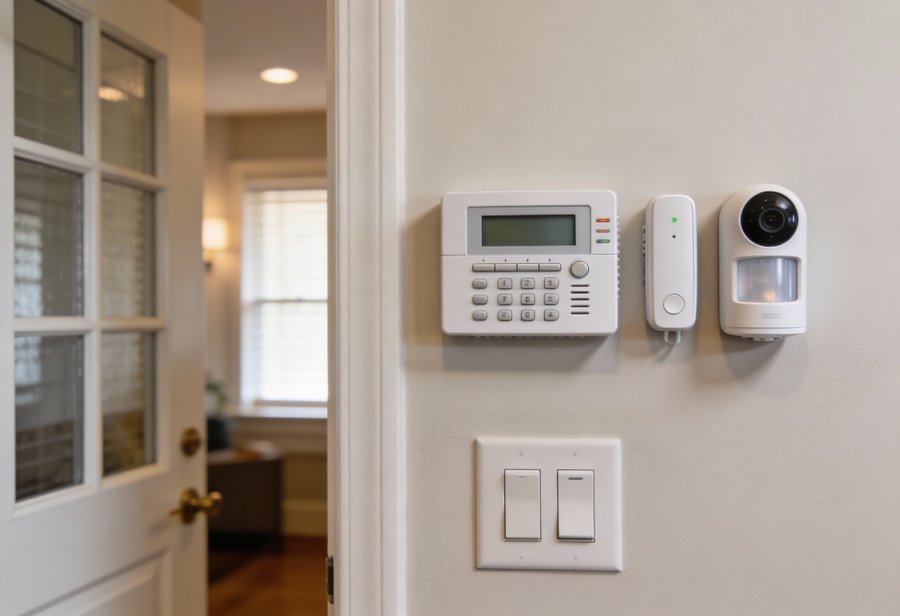
Modern home security systems are built around a handful of core components that, when combined, create a comprehensive safety network. Central to most setups are high-definition CCTV cameras, which now do more than just record footage. Today’s cameras offer real-time streaming, night vision, and motion detection, giving homeowners instant insight into what’s happening around their property. These cameras serve both as deterrents and as valuable tools for quick assessment when suspicion arises, providing peace of mind whether you’re at home or away.
Alarm systems form another vital pillar of modern security. They are highly customizable, with sensors on doors, windows, and even glassbreak detectors that trigger alerts at the first sign of intrusion. When an alarm goes off, it not only alerts homeowners but also connects to professional monitoring centers that can verify the threat and notify authorities if needed. This layered approach ensures a rapid response, minimizing potential damage or theft. Many systems also track entry and exit times, offering an extra layer of accountability and control.
Revolutionizing Home Security with Smart, Connected Solutions, an article by Daphne Douglas on Camille Compassionate Heart, expands on this topic.
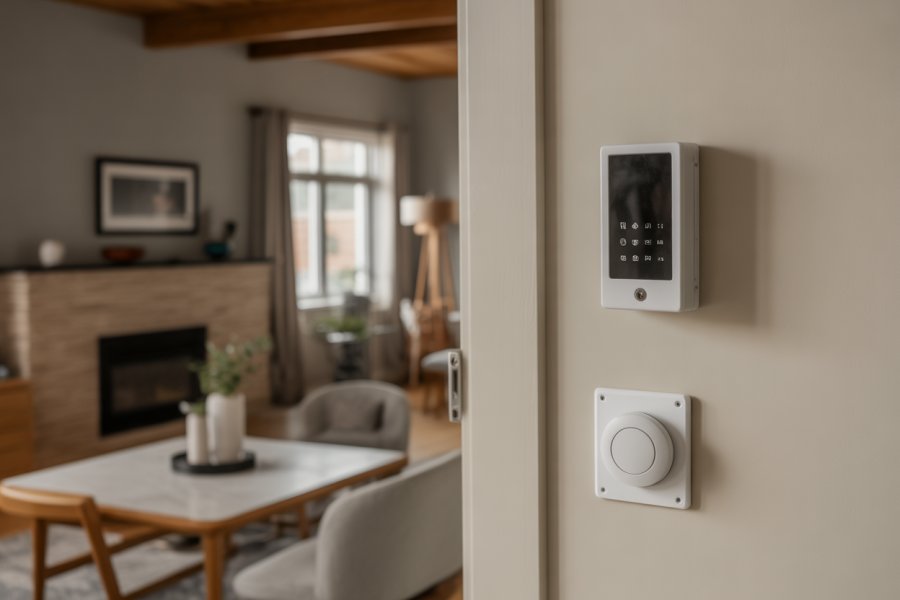
Smart access controls are transforming how we manage household entry. Keyless locks, biometric scanners, and digital keypads allow you to grant or restrict access remotely, eliminating the need for physical keys. These systems generate detailed logs of who enters and when, providing transparency and accountability. When integrated with other smart devices, such as lighting or climate controls, they turn home entry into a seamless, automated experience that enhances both security and convenience.
All these elements are designed to work together within a connected ecosystem. When integrated through a single platform, sensors and cameras communicate to create a responsive environment. For example, a detected movement might trigger outdoor lights, lock down doors, and send instant alerts—all from your smartphone. This synergy simplifies management and ensures your home reacts swiftly to any threats, whether you’re present or not, making security more intuitive and reliable.
Ultimately, the strength of modern security lies in this integration. Each component plays a specific role, but their combined operation offers a resilient, adaptable defense. Proper placement, regular updates, and cybersecurity measures help ensure these systems remain effective. When balanced with traditional safeguards like sturdy locks and physical barriers, these smart components deliver a level of protection that adapts to today’s unpredictable threats, keeping families safe and secure at all times.
Protect Your Markham Property with Trusted Canadian Security Solutions
F.I.S.T Security is a proudly Canadian owned and operated business serving the Markham Ontario community. With a reputation built on trust and excellence, FIST Security specializes in comprehensive security solutions including intruder detection, card access, CCTV, intercoms, alarm monitoring, remote video monitoring, lighting, and environmental control. We take pride in going the extra mile to meet our clients’ needs, ensuring your property stays safe and secure. Whether you need advanced surveillance or access control, our team is dedicated to delivering top-tier service. For consultations or inquiries, contact us at [email protected] or call 416.755.4233. Choose F.I.S.T Security for reliable, locally trusted security that puts your safety first.
Balancing Benefits and Challenges of Remote-Controlled Security Solutions
Modern security solutions that rely heavily on remote control and automation offer clear advantages, especially in terms of convenience. With a few taps on a smartphone, homeowners can check live camera feeds, lock or unlock doors, and receive instant alerts if something seems amiss. This ability to oversee your home from anywhere transforms security into an active process, giving busy families and frequent travelers peace of mind and a sense of control. When these systems are properly integrated, they respond swiftly to threats, making your home more resilient and your reactions faster.
However, relying solely on these high-tech systems presents notable challenges. Technical issues like internet outages or system malfunctions can temporarily disable critical features such as live feeds and alerts. If your connection drops, you might miss early warning signs or be unable to verify a suspicious activity promptly. Cybersecurity is another major concern; connected devices are vulnerable to hacking. If not properly secured, intruders could disable alarms, manipulate cameras, or gain unauthorized access—turning security measures into liabilities rather than assets.
Customization in modern alarm systems can be a double-edged sword. While tailored sensors and alerts allow for precise protection—say, monitoring specific vulnerable windows—overly sensitive setups can lead to false alarms. Frequent false alerts diminish trust in the system and may cause homeowners to ignore genuine threats. Conversely, poorly calibrated sensors might overlook real intrusions, highlighting the importance of careful setup and ongoing testing. Striking a balance between sensitivity and reliability ensures the system functions effectively without causing unnecessary disruptions.
CCTV cameras have advanced significantly, offering high-definition footage, night vision, and motion detection. Yet, they are not foolproof. Proper placement and cybersecurity measures are vital; a hacked or manipulated camera can be fooled or exploited, reducing their deterrent value. Cameras primarily record and alert—they do not physically prevent break-ins. Relying solely on footage without other security layers leaves gaps that intruders can exploit. Combining cameras with physical safeguards and professional monitoring creates a more comprehensive and resilient security approach.
This perspective is expanded in Kie Russell‘s article Revolutionizing Home Security with Smart Remote Control Systems on The North Shore.
While automation and remote control are powerful tools, they shouldn’t replace traditional safeguards. Physical locks, reinforced doors, and neighborhood vigilance remain essential. Technology can fail or be compromised, but a layered strategy ensures continuous protection. Regular system updates, cybersecurity practices, and household awareness complement automation, creating a balanced defense that adapts to evolving threats. Using technology as a force multiplier, rather than a sole solution, offers the most effective way to safeguard your home and loved ones.
Expert Perspectives: Best Practices and Future Trends in Home Security
Experts in home security emphasize that combining modern technology with traditional safeguards offers the most effective approach. They advise homeowners to regularly review and update their systems, ensuring all devices are functioning properly and protected against cybersecurity threats. Customizing security setups to fit household needs—whether prioritizing outdoor cameras, smart locks, or motion sensors—can significantly enhance overall effectiveness. Many professionals recommend professional monitoring services, which provide dedicated security personnel overseeing your system around the clock. This oversight not only verifies alerts quickly but also ensures immediate response, often preventing incidents before they escalate.
Looking ahead, industry leaders see continuous innovation shaping the future of home security. Artificial intelligence and machine learning are becoming central, enabling systems to analyze behavior patterns, reduce false alarms, and respond more accurately to genuine threats. Sensors that monitor environmental factors, such as air quality, temperature, or humidity, are expanding household safety into new territory—detecting fires, gas leaks, or extreme weather conditions early on. These proactive features aim to prevent emergencies before they happen, making home safety more comprehensive and responsive.
This theme is addressed on Lady, My Precious… by Gen Gray in the article Revolutionizing Home Security with Smart, Connected Protection Strategies.
Despite technological advances, cybersecurity remains a critical concern. As more devices connect online, safeguarding against hacking and data breaches is essential. Experts advocate for strong encryption, regular software updates, and cautious network practices to maintain system integrity. Systems that are well-secured and regularly maintained are less vulnerable to malicious attacks, ensuring that automation enhances safety rather than creates new risks. Homeowners should view these technologies as tools that complement, not replace, household vigilance and manual safety measures.
A layered security approach offers the best protection. Physical safeguards like reinforced doors and sturdy locks remain vital, even as digital solutions evolve. Integrating these with smart systems and professional monitoring creates a resilient defense—one that adapts to changing threats and minimizes vulnerabilities. Regular system testing and staying informed about emerging risks help ensure your security measures are effective and up-to-date.
Real-world examples demonstrate the power of well-designed, integrated security setups. Families that combine smart cameras with professional monitoring have successfully thwarted intrusions early, while those using biometric locks with automation have limited unauthorized access during vulnerable hours. These stories highlight how thoughtful integration and oversight create a dynamic, tailored safety net—delivering peace of mind and a swift response when it matters most.
As the landscape of home security continues to evolve, the focus will be on developing user-friendly, reliable systems that adapt seamlessly to new challenges. Balancing cutting-edge technology with household awareness and traditional safeguards ensures that security remains robust and manageable. By embracing innovation while maintaining vigilance, families can build a flexible, resilient defense—one that keeps pace with the world’s unpredictability and keeps loved ones safe.
Future of Home Security: Smarter, Safer, and More Integrated
The future of home security is set to become even smarter and more seamlessly integrated into daily life. Advances in artificial intelligence and machine learning will allow systems to analyze behavior patterns, predict potential threats, and respond proactively—reducing false alarms and focusing attention where it’s needed most. This evolution aims to create security networks that are intuitive, adaptable, and capable of evolving alongside emerging risks, making homes more resilient and responsive to an uncertain world.
Cybersecurity will continue to be a top priority as connected devices proliferate. Protecting these systems from hacking and data breaches is essential to maintaining trust and ensuring safety. Developers will strengthen encryption, authentication protocols, and system defenses, making it increasingly difficult for malicious actors to exploit vulnerabilities. A focus on cybersecurity ensures that technological progress enhances safety without becoming a new point of risk.
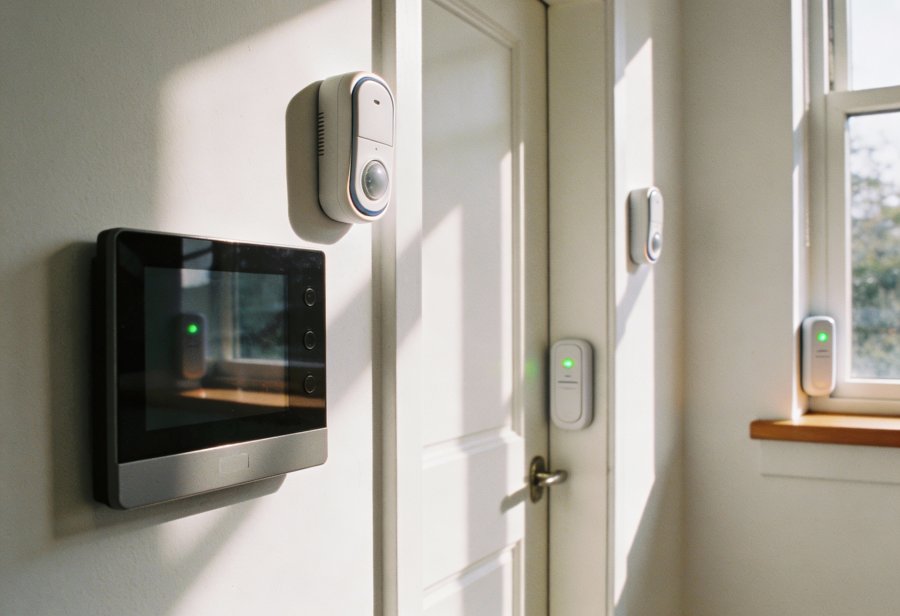
Sensors monitoring environmental factors like air quality, temperature, and humidity will expand the scope of household safety. These tools can detect fires, gas leaks, or extreme weather conditions early, providing a comprehensive safety net beyond traditional intrusion detection. Such proactive measures will help prevent emergencies before they escalate, safeguarding families and property more effectively.
However, as security systems grow more complex, homeowners need to stay informed and maintain their devices properly. Regular updates, cybersecurity practices, and household vigilance will remain vital. Balancing automation with manual oversight and physical safeguards ensures that technology supports a layered, resilient defense—one that adapts to changing threats and minimizes vulnerabilities.
Real-world examples illustrate how well-designed, integrated solutions can prevent incidents and provide peace of mind. Families using smart cameras with professional monitoring have successfully thwarted intrusions early, while biometric locks combined with automation restrict access during vulnerable times. These stories highlight that thoughtful integration of technology and oversight creates a dynamic safety environment tailored to real needs.
Looking ahead, the challenge will be to develop user-friendly, reliable security systems that are accessible to all households. Combining technological sophistication with household awareness and traditional safeguards will be key. By embracing innovation while maintaining vigilance, families can build a flexible, resilient defense—one that keeps pace with an unpredictable world and keeps loved ones safe at all times.