





As businesses transition from traditional landlines to advanced VoIP and cloud-based systems, the landscape of professional communication is transforming rapidly. Features like auto-attendants, call routing, and mobile integration now define a new standard of connectivity—so what does this mean for the future of business interactions? Will these innovations become universal, ensuring more polished, efficient, and secure customer experiences? This evolution offers remarkable benefits: cost savings, scalability, and remote management, yet it also raises questions about security, integration challenges, and staff adaptation. With emerging trends like AI-driven auto-attendants, biometric security, and data analytics, the future promises smarter, more resilient networks that support remote work and personalize interactions. The real question is not just how these features will improve communication but how organizations can harness them to stay competitive and build trust in an increasingly digital world. Are we ready for this new era of connected professionalism?
Revolutionize Your Business Communications with FiberConX’s Reliable Phone Solutions
Elevate your business communication in Canada with FiberConX Communications. Specializing in VoIP and IP business phone services, FiberConX offers comprehensive solutions including voicemail, IVR, ring groups, and voicemail-to-mail features that streamline your operations. Our business phone service ensures clear, scalable, and efficient connectivity tailored to your company’s needs. Whether you’re managing a small team or a large enterprise, FiberConX provides the tools to enhance customer interactions and improve productivity. Reach out today at 1.416.945.9210 or email [email protected] to discover how our advanced phone systems can transform your business communications.
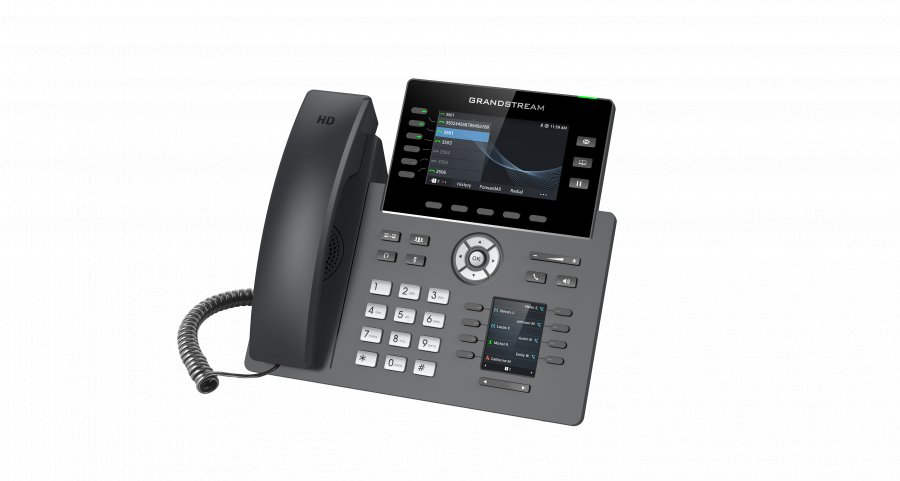
Transforming Business Communication with Modern Phone Services
Modern business communication is changing fast, driven by the shift from traditional landlines to internet-based solutions. In the past, companies relied heavily on dedicated physical lines, which offered reliability but limited flexibility and growth potential. Today, businesses are increasingly adopting VoIP and cloud platforms that make scaling easier and management more efficient. These technologies are not just upgrades—they’re transforming how organizations connect with clients and colleagues alike, creating more dynamic and responsive interactions.
Voice over Internet Protocol, or VoIP, kicked off this revolution by allowing voice calls to travel over the internet instead of traditional phone lines. This change drastically cuts costs and unlocks new features like call forwarding, voicemail-to-email, and conference calls. Such capabilities enable teams to stay connected from anywhere, whether they’re in the office, at home, or on the road, making communication more versatile and accessible.
As VoIP matured, cloud-based platforms emerged as a game-changer. These systems let organizations manage their entire communication setup remotely through simple online dashboards. They offer remarkable scalability—adding or removing lines, features, or users can be handled instantly without hardware changes. This flexibility is especially valuable for growing businesses or those with seasonal call volumes, allowing them to adapt quickly without disruptions.
Modern features like auto-attendants and call routing have become standard in professional systems. Auto-attendants serve as virtual receptionists, greeting callers and guiding them seamlessly to the right department. Call routing rules ensure calls reach the appropriate person based on preset criteria like caller needs or time of day. These tools create a more polished customer experience, reduce wait times, and streamline internal workflows.
Security and compliance are now key considerations as communication shifts online. Modern systems incorporate encryption, call recording, and data protection tools that help organizations safeguard sensitive information and meet regulatory standards. These features provide peace of mind, particularly in sectors like healthcare and finance, where data privacy is critical. They also enhance trust with clients and partners, reinforcing the organization’s reliability.
From traditional landlines to cloud-based, internet-enabled systems, the landscape of business communication has evolved dramatically. These innovations support faster, more reliable, and more professional interactions, laying a solid foundation for future advancements. As we explore current trends, it’s clear that modern business phone services are about building resilient, scalable, and secure networks that keep organizations connected in a digital world.
Foundations of Connectivity: From Landlines to Cloud
The evolution of business phone technology reflects a major shift from traditional landline systems to more flexible, internet-based solutions. For decades, companies relied on dedicated physical lines to connect calls, providing reliable service but limiting scalability and the ability to add new features easily. These landlines served as the backbone of business communication, offering simplicity and dependability, but they lacked the adaptability needed for modern operations.
The breakthrough came with the advent of Voice over Internet Protocol, or VoIP. This technology allows voice calls to be transmitted over the internet, drastically reducing communication costs and unlocking a range of functionalities that traditional systems couldn’t support. Features like call forwarding, voicemail-to-email, and conference calls became standard, transforming how organizations connect with clients and colleagues alike. VoIP made communication more versatile, accessible from virtually anywhere with an internet connection.
As VoIP gained momentum, cloud-based platforms emerged as the next evolutionary step. These systems enable companies to manage their entire communication infrastructure remotely via online dashboards. Adding or removing lines, adjusting features, or scaling users can be done instantly, without hardware upgrades or extensive setup. This high level of flexibility is invaluable for growing businesses or those with fluctuating call volumes, allowing quick adaptation without service interruptions.
In addition to core connectivity features, auto-attendants and call routing have become essential components. Auto-attendants act as virtual receptionists, greeting callers and guiding them to the right department seamlessly. Call routing rules ensure that calls are directed based on preset criteria like caller needs, time of day, or agent skills, streamlining internal workflows and enhancing customer experience. These tools elevate professionalism and reduce wait times significantly.
In Revolutionizing Business Communication with Cutting-Edge Phone Technologies, Ki Wood examines this topic further on Amsterdam Tulip Tales.
Security and compliance are now central considerations in business phone systems. Modern solutions incorporate encryption, call recording, and data protection measures that help safeguard sensitive information. This is especially critical in regulated industries such as healthcare and finance, where data privacy isn’t optional. These features build trust with clients and partners, ensuring communications remain private and compliant with standards.
The move from traditional landlines to internet-based systems has also paved the way for integrating video conferencing, mobile apps, and other collaborative tools. These additions support remote work and global connectivity, enabling teams to collaborate seamlessly regardless of location. High-quality video calls and mobile integration make remote interactions more natural and efficient, further expanding the possibilities for business communication.
This technological shift has not only improved the reliability and professionalism of business interactions but also provided significant cost savings. Cloud-based systems reduce hardware expenses, simplify management, and offer scalable solutions that grow with the organization. As a foundation, these innovations prepare companies to adopt future advancements with confidence, ensuring their communication infrastructure remains resilient, adaptable, and secure.

Innovative Features and Emerging Trends Shaping Communication
Modern business communication continues to evolve rapidly, with features designed to make interactions smarter, faster, and more personalized. Cloud platforms and VoIP technology are at the heart of this shift, offering scalability and remote management that were unimaginable a decade ago. These systems allow organizations to grow quickly, adding users or features through simple online controls, which helps them stay agile in competitive markets. This flexibility ensures that communication infrastructure can adapt instantly to changing needs without costly hardware upgrades.
Auto-attendants have become more sophisticated, serving as virtual receptionists that greet callers and guide them seamlessly to the right department or individual. Modern auto-attendants can handle complex menu options, adjust dynamically based on the time of day, and even personalize greetings based on caller ID. Call routing has also advanced, using preset rules that consider caller needs, time, or agent skills to direct calls efficiently. These enhancements improve professionalism, reduce wait times, and elevate the overall customer experience.
Security features have moved to the forefront as online communication grows more vulnerable to cyber threats. Encryption tools now safeguard voice calls and data, ensuring sensitive information remains private. Call recording capabilities help organizations maintain quality standards and comply with regulations, especially in sectors like healthcare and finance. These security measures build trust with clients and partners, reinforcing the organization’s commitment to confidentiality and data integrity.
Video conferencing has become a staple, especially with the rise of remote work. High-quality video tools enable face-to-face meetings, interviews, and client consultations without the need for travel. Integrated mobile apps keep employees connected on their smartphones or laptops, whether they’re in the office or on the go. These features foster more dynamic collaboration, making remote interactions feel natural and engaging while maintaining security and professionalism.
Emerging technologies like AI-driven auto-attendants and chatbots are transforming how businesses handle customer interactions. These intelligent systems can understand natural language, respond conversationally, and even handle complex queries without human intervention. Real-time call routing adapts dynamically based on workload, ensuring each interaction is managed by the most suitable resource, regardless of location. Such innovations aim to create smarter, more resilient communication networks that can learn and evolve over time.
Data analytics and voice recognition tools are unlocking deeper insights into customer behavior and operational efficiency. By analyzing call patterns, organizations can identify bottlenecks, personalize services, and anticipate future needs. These insights enable proactive decision-making, making communication systems not just reactive tools but strategic assets that support growth and innovation.
Security and compliance will continue to shape future developments. As cyber threats become more sophisticated, future systems will incorporate biometric authentication, advanced encryption, and real-time threat detection. These features will help organizations maintain regulatory compliance and protect sensitive information, even as they expand their digital footprint. Building secure, compliant communication channels will be essential for maintaining credibility and trust in an increasingly interconnected world.
In sum, the landscape of business communication is set to become more intelligent, flexible, and secure. Innovations in auto-attendants, call routing, video, AI, and analytics are not just shaping the future—they are building the foundation for resilient, adaptable, and customer-centric communication systems that will serve organizations well into the decades ahead.
Practical Strategies for Implementing Modern Phone Systems
Many organizations are actively adopting modern business phone services to streamline daily operations and elevate customer interactions. Transitioning from traditional landlines to VoIP or cloud-based systems often begins with implementing auto-attendants and call routing features. These tools help create a professional image by guiding callers efficiently and reducing wait times, allowing companies to handle high call volumes smoothly and respond more promptly to customer needs.
Remote work has become a central focus for many businesses, making mobile integration a key advantage of current phone solutions. Employees can manage calls, access voicemails, and join conference calls from their smartphones or laptops, no matter where they are. This level of flexibility keeps teams connected and responsive, leading to faster service and improved customer satisfaction.
However, integrating new systems with existing infrastructure can pose challenges. Legacy hardware or custom setups may require careful planning or upgrades to ensure compatibility. Security is another critical aspect; as systems move online, protecting sensitive data becomes essential. Choosing providers that offer encryption, call recording, and data protection helps organizations meet compliance standards and build trust with clients and partners.
Training staff on new features and workflows is vital for maximizing investment. Moving from familiar landline phones to advanced, internet-based platforms can be a learning curve, but clear communication and ongoing support ease the transition. When employees understand the benefits—such as easier call management and quicker responses—they are more likely to embrace the change, resulting in better utilization of features like call forwarding, auto-attendants, and mobile apps.
Security and compliance are at the heart of successful adoption. Modern solutions incorporate encryption, real-time threat detection, and call recording to safeguard data and meet industry standards. These measures not only protect sensitive information but also foster trust with customers, demonstrating a commitment to privacy and reliability in every interaction.
Implementing these systems often yields tangible benefits: reduced hardware costs, enhanced scalability, and a more polished, professional image. Small startups and large enterprises alike can leverage these tools to support growth, improve operational efficiency, and stay competitive. Thoughtful adoption ensures that organizations are well-positioned to adapt to future technological advancements, maintaining resilience and agility in a fast-changing digital landscape.
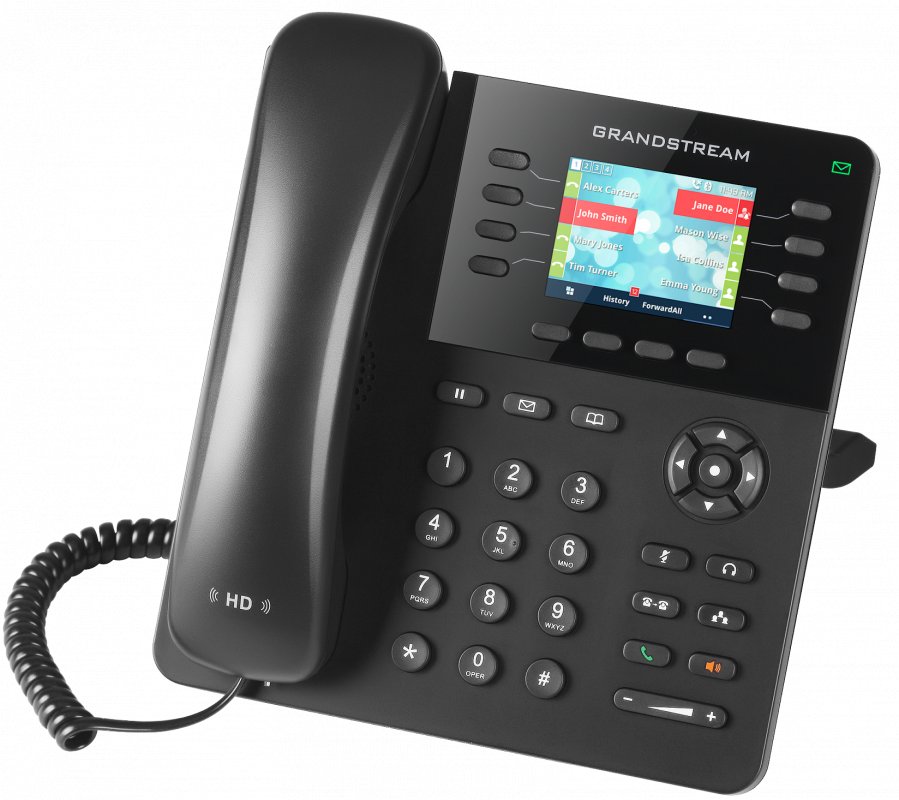
Future Visions: Resilience and Innovation in Business Communication
Looking ahead, technological innovations are set to make business communication systems more resilient and adaptable than ever before. Artificial intelligence will become a central driver, with smarter auto-attendants and chatbots capable of understanding natural language and engaging in more human-like conversations. These systems will reduce customer wait times and free up staff to focus on complex tasks, boosting overall efficiency and satisfaction.
Security will remain a top priority as cyber threats evolve in sophistication. Future solutions will incorporate advanced encryption, biometric authentication, and real-time threat detection, ensuring sensitive data stays protected. These features will help organizations maintain compliance with stricter regulations and build trust with clients, especially in industries like healthcare, finance, and legal services.
Voice recognition and data analytics will unlock deeper insights into customer behavior and operational efficiency. Organizations will analyze call patterns and customer interactions to identify bottlenecks, personalize experiences, and anticipate future needs. This proactive approach will enable businesses to make smarter, faster decisions, turning communication systems into strategic assets that support growth and innovation.
Remote work and global connectivity will be further empowered by seamless integration of mobile and video technologies. High-quality video conferencing embedded directly into communication platforms will facilitate face-to-face interactions across distances, fostering stronger relationships with clients and team members alike. The ability to switch effortlessly between calls, video meetings, and messaging will become a standard expectation, supporting flexible working arrangements.
Automation will take on more routine tasks, from scheduling to follow-ups, freeing human resources for higher-value activities. Cloud-based solutions will offer unparalleled customization, allowing businesses to tailor features and workflows to their specific needs. These innovations will help organizations respond quickly to market changes, ensuring their communication infrastructure remains resilient, scalable, and aligned with future demands.
As these trends unfold, organizations that embrace them early will build more flexible, secure, and intelligent communication networks. They will be better equipped to adapt to rapid technological shifts, deliver exceptional customer experiences, and stay competitive in an increasingly digital world. The future of business communication hinges on continuous innovation—those who lead the way will set the standard for resilience and agility in the years to come.