




When it comes to safeguarding your vehicle’s long-term health, the choice between small, family-run garages and large nationwide chains is more consequential than you might think. Do personalized, community-rooted mechanics truly offer better care, or do the latest diagnostic technologies and standardized procedures from big chains provide more reliable results? Small garages often foster trust through close relationships and tailored service but may lack access to cutting-edge tools, especially for modern electronic systems. Conversely, large chains excel in consistent quality, advanced diagnostics, and nationwide warranties, yet can feel transactional and less personal. The key lies in understanding your vehicle’s needs—older models benefit from personalized attention, while newer, tech-heavy cars require sophisticated diagnostics. Ultimately, the decision hinges on finding a trustworthy mechanic who emphasizes transparency, skill, and ongoing care. Can you strike the right balance for your car’s future, ensuring reliability and longevity with the right partner by your side?

Choosing Between Small Shops and Big Chains for Long-Term Car Care
When it comes to maintaining your car over the years, one of the biggest choices you’ll face is where to get it serviced. The decision often boils down to two main options: small, family-run garages or large, nationwide chains. Each has its own strengths, and understanding these differences can help you make smarter decisions for your vehicle’s long-term health.
Small garages usually rely on reputation and personal relationships. Many have served their communities for decades, building trust through word-of-mouth and consistent, personalized service. When you bring your car to a local shop, you’re often able to speak directly with the mechanic who will work on it—someone who knows your vehicle’s history and your specific needs. This familiarity allows for tailored maintenance and early detection of issues, especially valuable for older or specialty cars.
In contrast, large chains focus on standardization and convenience. They invest heavily in advanced diagnostic tools and ongoing technician training, ensuring repairs follow manufacturer guidelines and meet uniform quality standards across locations. For drivers who travel often or move frequently, these nationwide warranties and consistent procedures add a layer of reassurance, regardless of where they are.
However, these differences also influence service quality and trustworthiness. Small garages can sometimes lack access to the latest technology or specialized training needed for modern vehicles, which may limit their effectiveness with newer electronic systems. Large chains, while equipped for complex diagnostics, can feel more transactional—sometimes prioritizing upselling over personalized care, and with staff that may rotate regularly, making it harder to build a relationship.
Choosing between a small shop and a large chain isn’t just about convenience or cost. It depends on your car’s age, complexity, and how much you value building a long-term relationship with your mechanic. Recognizing these distinctions helps you find a partner capable of supporting your vehicle’s long-term health—whether through personalized attention or consistent, technology-driven care.
Pros and Cons of Local Garages Versus Nationwide Chains
Assessing the strengths and weaknesses of small versus large garages reveals how each impacts your vehicle’s long-term health. Small, family-run shops often excel in delivering personalized service rooted in close relationships. Mechanics in these shops tend to know your vehicle’s history and your specific needs, which allows for tailored maintenance that can catch problems early and prevent costly repairs down the line. This familiarity fosters trust and often results in a more attentive approach, especially beneficial for older or specialty vehicles that require careful handling.
However, these smaller shops sometimes face limitations, particularly in access to the latest diagnostic technology. Without the advanced tools that larger chains invest in, their ability to efficiently service newer vehicles or electronic systems may be compromised. This can lead to less precise repairs or overlooked electronic issues that could affect your car’s longevity over time. Quality can vary widely depending on the shop’s resources and the skill level of individual mechanics, making it essential to choose carefully.
Large chains, on the other hand, bring a different set of advantages. Their investment in state-of-the-art diagnostic equipment and ongoing staff training ensures technicians can handle complex, modern vehicles with greater accuracy. Standardized procedures across locations mean you get consistent quality and the reassurance of nationwide warranties, which is especially useful if you travel frequently or move often. These features make large chains a reliable choice for maintaining newer cars that rely heavily on electronic systems.
That said, the scale and corporate structure of large chains can lead to a more transactional experience. Mechanics may rotate regularly, making it harder to build a relationship or for them to recognize your vehicle’s unique history. Prices tend to be higher, partly due to branding, marketing, and overhead costs, which can add up over time. While consistency and technological capability are significant strengths, they sometimes come at the expense of personalized attention and flexibility.
Reputation plays a crucial role in trustworthiness. Small garages often rely on word-of-mouth and community goodwill, which can create a sense of loyalty and reliability if you find a reputable shop. Conversely, large chains build their reputation through brand recognition and standardized service, which can also ensure dependable quality if properly managed. Both types can be trustworthy, but the level of personalized care and continuity varies quite a bit, influencing how well they support your vehicle’s long-term health.
Finally, technician certification is vital regardless of garage size. Shops employing certified mechanics—such as those with ASE or manufacturer-specific credentials—are more likely to provide durable, high-quality repairs. As vehicle technology advances rapidly, having skilled, certified technicians on your side becomes even more important. Their expertise ensures your car receives the proper care to stay reliable and in good shape for years to come.
Trust Beck Automotive Services for Expert Auto Care in Thornhill
Located in Thornhill, Ontario, Beck Automotive Services is your go-to destination for comprehensive auto care. Our team of experienced auto technicians specializes in auto repair, oil change services, brake repair, vehicle maintenance, car diagnostic services, tire services, engine repair, and transmission service. Whether you’re in need of routine maintenance or major repairs, Beck Auto is committed to keeping your vehicle in top condition. Additionally, we offer a wide selection of quality used cars for sale, making us a one-stop shop for all your automotive needs. For inquiries or to schedule a service, contact us at [email protected] or call (416) 222-6583.
How to Pick the Perfect Garage for Your Vehicle’s Needs
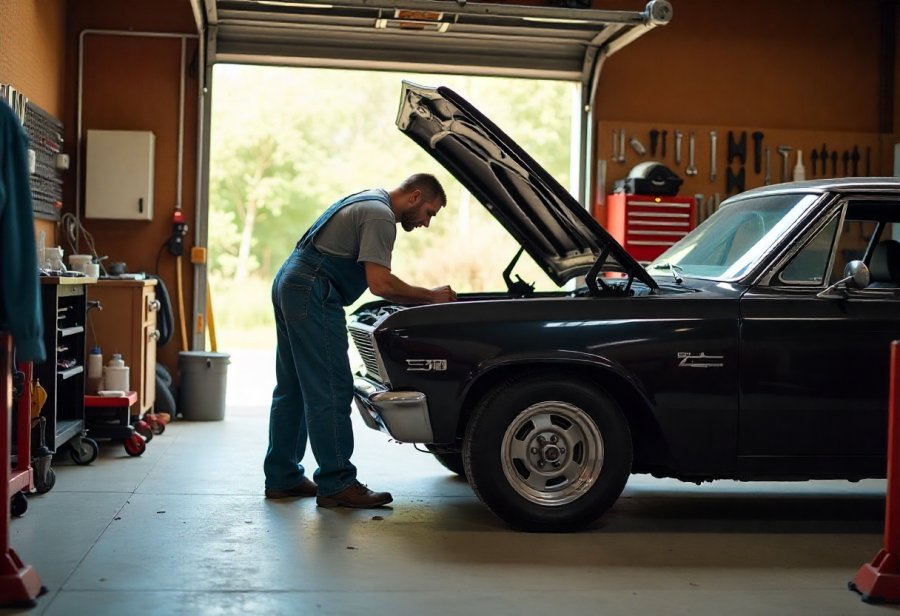
Choosing the right garage depends largely on understanding your vehicle’s specific needs and your personal priorities. For older cars or models that don’t rely heavily on electronic systems, a trusted local mechanic who knows your vehicle’s history can be a real asset. These shops often provide more flexible pricing and personalized solutions, making them a good fit if you value a close relationship and tailored care. Their familiarity with your car’s quirks allows for early problem detection, which can save money and extend its lifespan.
If your vehicle is newer, loaded with electronic features and complex systems, a large chain with advanced diagnostic technology might serve you better. These shops are equipped to handle sophisticated repairs quickly and accurately, reducing the risk of misdiagnosis. Their standardized procedures and manufacturer certifications ensure consistent quality, especially important when electronic components are involved. For owners who travel frequently or move often, the reassurance of nationwide warranties provides peace of mind wherever you go.
Location plays a practical role in your decision. Convenience and quick turnaround times might draw you to a nearby small garage with a good reputation, especially for routine maintenance. Conversely, if you prefer predictability and consistency, a large chain with multiple locations can deliver a familiar service experience no matter where you are. Think about whether you want a personal relationship with your mechanic or prefer a more streamlined, transactional approach—your comfort with these dynamics influences the best choice.
Inspect the credentials and reputation of potential garages. Certified technicians, transparent pricing, and positive reviews are strong indicators of quality. Don’t hesitate to ask about their training, parts, and warranty policies. A mechanic who is open and willing to explain repairs clearly helps you stay engaged and confident in their work. Building this trust is especially vital as your vehicle ages or if you’re dealing with complex, expensive repairs.
Consider how each shop approaches ongoing maintenance. Regular visits to a trustworthy mechanic who understands your vehicle’s history can catch issues early and prevent major breakdowns. For some owners, the relationship and consistent care matter more than brand name or size. For others, the assurance of standardized procedures and technology-driven diagnostics might be more appealing.
Remember, the best garage isn’t necessarily the biggest or most well-known. It’s the one that aligns with your vehicle’s requirements and your expectations for service. Whether you prioritize personalized attention or standardized reliability, look for honesty, skill, and a genuine interest in your car’s health. These qualities turn a service provider into a long-term partner in your vehicle’s well-being.
Trust your instincts and do a bit of homework before making your choice. Read reviews, seek recommendations, and visit the shops if possible. A good mechanic should make you feel comfortable asking questions and confident that your car will be well cared for. Investing time in finding the right partner pays off in smoother rides, fewer surprises, and a vehicle that stays dependable for years to come.
Expert Tips on Ensuring Your Car’s Longevity Through the Right Service Provider
Industry experts consistently emphasize that the foundation of long-term vehicle health hinges on the skill and ongoing training of the mechanic. Certified technicians, whether through ASE or manufacturer-specific programs, bring a level of expertise that is crucial in diagnosing and repairing complex modern systems. Their knowledge ensures repairs are durable and aligned with manufacturer standards, reducing the risk of future issues that could compromise your car’s longevity.
Access to advanced diagnostic tools is another pillar of quality service. Modern vehicles heavily depend on electronic systems, and being able to quickly identify faults prevents minor problems from escalating into costly repairs. Shops that invest in the latest technology and regularly update their equipment are better positioned to perform precise repairs, supporting your vehicle’s reliability over time. This technological edge is vital as vehicle electronics become increasingly sophisticated.
Consistent maintenance, performed proactively and following manufacturer guidelines, is widely regarded as the key to vehicle durability. Routine services like oil changes, fluid checks, and brake inspections catch potential problems early, preventing breakdowns and long-term damage. Building a relationship with a mechanic who understands your vehicle’s history fosters a proactive approach, making maintenance more effective and less reactive. Clear communication about repairs and recommended services also helps you stay informed and engaged in your car’s health.
Reputation and transparency are often the hallmarks of reputable repair shops. Experts advise asking for detailed, written estimates before work begins and seeking shops that openly explain issues and repair options. Mechanics who prioritize honesty and customer education create a foundation of trust, encouraging ongoing, preventive maintenance rather than reactive fixes. This transparency not only builds confidence but also ensures your vehicle receives the right care at the right time.
Finally, technician certification and ongoing professional development are critical. As vehicle technology rapidly evolves, mechanics who stay current with the latest industry standards and participate in continuous training are better equipped to handle new challenges. Choosing a garage with certified, well-trained technicians means your car benefits from repairs that are not only correct today but also supportive of its long-term health, ensuring dependability and safety for years to come.
Final Advice: Find the Trusted Partner to Keep Your Vehicle Running Strong
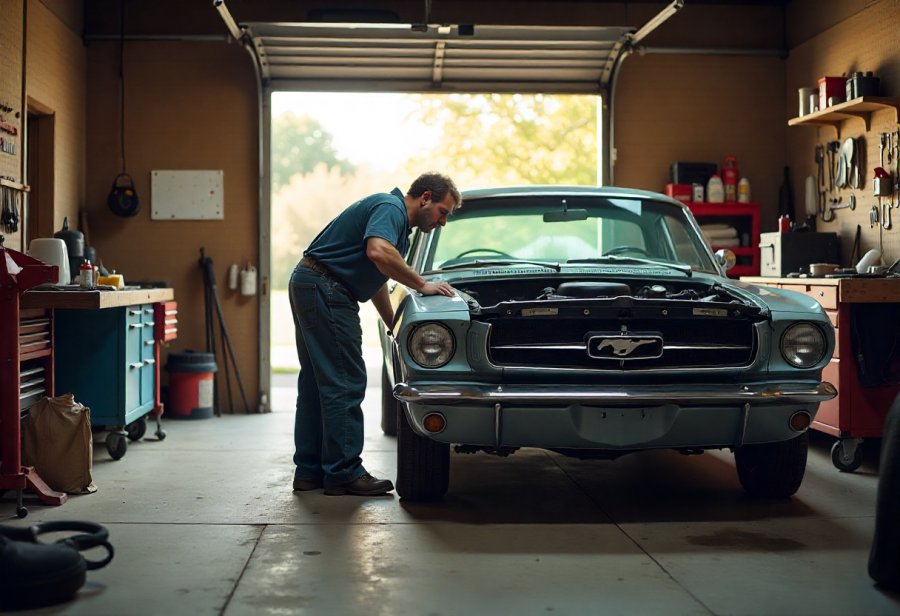
Choosing the right garage isn’t just about convenience; it’s a decision that can significantly influence your vehicle’s long-term health. Whether you favor a trusted local shop or a larger chain, the key lies in finding a partner who values transparency, skill, and consistency. A mechanic who communicates clearly, provides detailed estimates, and genuinely cares about your car’s well-being becomes an invaluable ally in extending its lifespan.
Look for technicians with recognized certifications such as ASE or manufacturer-specific training. Their expertise ensures repairs are durable and that complex systems are handled correctly. Investing in qualified professionals reduces the risk of misdiagnosis and repeated visits, ultimately supporting your car’s reliability and performance over the years. As vehicle technology advances rapidly, having technicians with current skills and proper certification becomes even more crucial.
Reputation also matters. Read reviews, seek recommendations, and inquire about warranties. A shop with a proven track record of honest, high-quality service fosters trust and makes ongoing maintenance a smoother process. Transparency about parts, pricing, and repair options helps you stay informed and confident, turning routine visits into opportunities for proactive care.
Building a strong relationship with a dependable mechanic pays dividends. Regular check-ins with someone who understands your vehicle’s history enable early detection of issues before they escalate. Whether you choose a small, community-oriented shop or a large, standardized chain, prioritizing honesty and open communication ensures your vehicle receives the right attention, keeping it dependable for years to come.
Maintaining your vehicle is an ongoing journey, not a one-time fix. Developing a trusted partnership with a capable mechanic means fewer surprises and more peace of mind. Consistent, quality care safeguards your investment, ensuring your car remains reliable mile after mile. This proactive approach not only prolongs the life of your vehicle but also makes every drive safer and more enjoyable.
There’s no one-size-fits-all answer when it comes to choosing a garage. Your decision should align with your vehicle’s specific needs, your driving habits, and what you value most—whether personalized service or predictable, standardized care. Focus on honesty, skill, and a genuine interest in your car’s health. These qualities lay the foundation for a long-lasting, trustworthy relationship that benefits both your vehicle and your peace of mind.